
ISOCELL HPx Camera Sensor: Features, Resolution & Performance

The Samsung ISOCELL HPx is a 200MP smartphone camera sensor designed to deliver high-resolution photos, better low-light performance, and advanced video recording in mid-range and upper-mid-range smartphones.
With a 1/1.4-inch sensor size, 0.56μm pixels, and 16-in-1 Tetra²pixel binning, the ISOCELL HPx can capture highly detailed 200MP photos in bright conditions while combining pixels for better light capture at night.
But is a 200MP camera always better? Not necessarily. The final camera experience also depends on the phone’s lens, OIS, processor, and image-processing software.
What Is ISOCELL HPx?
The ISOCELL HPx is a 200-megapixel CMOS image sensor developed by Samsung Semiconductor for smartphones.
Its 1/1.4-inch optical format and tiny 0.56μm pixels allow smartphone manufacturers to offer high-resolution camera hardware without making the camera module unnecessarily large.
One of the biggest advantages of the HPx is its ability to change how pixels work depending on the lighting condition. In bright daylight, it can use its full 200MP resolution. In lower light, it combines multiple pixels to capture more light and reduce image noise.
ISOCELL HPx Architecture at a Glance
- 200MP native resolution for highly detailed photos
- 0.56μm pixel size for a compact sensor design
- 4-in-1 binning for 50MP images
- 16-in-1 binning for 12.5MP low-light photos
- 2.24μm effective pixel size in 16-in-1 mode
- Support for advanced HDR and computational photography
- Up to 8K video recording at 30fps
ISOCELL HPx Resolution and Key Specifications
| Feature | ISOCELL HPx |
|---|---|
| Resolution | 200MP |
| Sensor Size | 1/1.4-inch |
| Pixel Size | 0.56μm |
| 4-in-1 Output | 50MP |
| 16-in-1 Output | 12.5MP |
| Effective Pixel Size | Up to 2.24μm |
| HDR | Smart-ISO Pro & Staggered HDR |
| Color Depth | Up to 14-bit |
| Video | Up to 8K at 30fps |
| Slow Motion | Up to 4K at 120fps |
| Autofocus | Super QPD |
| Pixel Isolation | Deep Trench Isolation (DTI) |
Key Features of ISOCELL HPx
1. 200MP High-Resolution Photography
The biggest attraction of the ISOCELL HPx camera sensor is its 200MP resolution.
In good lighting, the sensor can capture a large amount of image data. This is especially useful when you want to crop a photo or digitally zoom into a distant subject while retaining more detail.
For example, a landscape photo taken with the 200MP mode can preserve small details such as building textures, leaves, signs, and other distant objects.
However, 200MP mode is not always necessary. For everyday photography, lower-resolution pixel-binned images can often provide a better balance between detail, file size, and low-light performance.
2. Tetra²pixel Pixel Binning
Pixel binning is one of the most important technologies behind the ISOCELL HPx.
Instead of always using every pixel separately, the sensor can combine multiple pixels into larger effective pixels. This helps the camera collect more light when the environment becomes darker.
The HPx supports three main output modes:
200MP Mode — Bright Light
Uses the sensor’s native 0.56μm pixels to capture maximum resolution and fine details.
50MP Mode — Moderate Light
Combines four pixels into one, creating an effective 1.12μm pixel size. This provides a balance between resolution and light capture.
12.5MP Mode — Low Light
Combines 16 pixels into one. The effective pixel size increases to 2.24μm, helping the camera capture more light in darker environments.
3. Low-Light Photography
At first glance, the tiny 0.56μm pixels may seem like a disadvantage for night photography because smaller pixels generally collect less light individually.
The solution is pixel binning.
In the 16-in-1 mode, the sensor combines information from 16 pixels to create a larger effective pixel. This improves light collection and can help reduce noise in night photos.
The sensor also uses Deep Trench Isolation (DTI) to reduce unwanted light and signal interference between neighboring pixels.
As a result, the HPx can produce cleaner images in low-light conditions when the smartphone’s software and ISP are properly optimized.
4. HDR and Dynamic Range
The ISOCELL HPx supports technologies such as Smart-ISO Pro and Staggered HDR to improve image quality in scenes containing both bright and dark areas.
Staggered HDR captures different exposure levels and combines the image information to preserve more detail in shadows and highlights.
The sensor also supports up to 14-bit color depth, allowing smoother color transitions and more detailed tonal information.
This can be especially useful for outdoor photography, sunsets, bright skies, and high-contrast scenes.
5. 8K Video Recording
The ISOCELL HPx is not only designed for photography. It also supports high-resolution video recording.
The sensor can support:
- 8K video at 30fps
- 4K video up to 120fps
- Dual-HDR modes for 4K and Full HD video
This makes the sensor suitable for users who create videos, travel content, social media clips, and other high-resolution footage.
However, 8K video produces large files, so users need sufficient storage and a capable smartphone processor.
How Does ISOCELL HPx Camera Technology Work?
The HPx combines sensor hardware with the smartphone’s image-processing system to produce the final image.
The basic process works like this:
- Light enters the camera lens and reaches the sensor.
- The pixel array captures the light and converts it into digital information.
- DTI helps isolate pixels, reducing unwanted interference between neighboring pixels.
- Super QPD autofocus helps the camera track and focus on subjects quickly.
- Pixel binning automatically adapts to lighting conditions.
- The smartphone’s ISP processes the data to reduce noise, improve colors, sharpen details, and create the final photo.
This means the sensor is only one part of the overall camera system. The phone manufacturer’s software plays a major role in determining the final image quality.
ISOCELL HPx Camera Performance
In real-world use, the ISOCELL HPx can provide strong camera performance, but results will vary depending on the smartphone that uses it.
Daylight Photography
Daylight is where the 200MP sensor can show its biggest advantage.
With plenty of light available, the sensor can capture a high level of detail and provide plenty of room for cropping.
Indoor Photography
The 50MP pixel-binning mode can offer a good balance between detail and light capture in indoor environments.
It can be useful for restaurants, offices, homes, and other moderately lit locations.
Night Photography
For dark environments, the 12.5MP 16-in-1 mode is more practical than native 200MP mode.
Combining multiple pixels helps the sensor capture more light and control image noise.
Portrait Photography
The sensor’s autofocus capabilities can help maintain focus on people and moving subjects.
However, portrait quality also depends on the phone’s camera software and secondary sensors.
Zoom and Cropping
A 200MP sensor can be useful for digital cropping because the original image contains a large amount of detail.
For example, a smartphone can crop into the center portion of a 200MP image to create a closer-looking shot without immediately losing as much detail as a lower-resolution sensor would.
Still, digital cropping cannot fully replace a dedicated optical telephoto camera.
Video Recording
With support for high-resolution video, the HPx is suitable for users who want detailed footage.
8K recording provides excellent resolution, while 4K 120fps can be useful for slow-motion video.
Important: A camera sensor does not determine the entire camera experience. Lens quality, aperture, OIS, ISP performance, autofocus tuning, and smartphone camera software can significantly affect the final result.
Benefits of ISOCELL HPx
The main advantages of the Samsung ISOCELL HPx include:
- 200MP resolution for highly detailed photos
- Flexible 200MP, 50MP, and 12.5MP shooting modes
- 16-in-1 pixel binning for better low-light performance
- Support for 8K video recording
- Up to 4K 120fps video capability
- Super QPD autofocus support
- Advanced HDR capabilities
- 14-bit color support
- Compact pixel architecture for smartphone camera modules
Limitations of ISOCELL HPx
Despite its impressive specifications, the HPx is not perfect.
Small Native Pixels
The native 0.56μm pixels are very small. Shooting at full 200MP resolution in poor lighting may result in more visible noise compared with pixel-binned modes.
Large Image Files
200MP photos can consume significantly more storage than standard 12MP or 50MP photos.
Users who frequently shoot in 200MP mode may need additional storage space.
Processing Requirements
High-resolution images contain a lot of data. Processing 200MP photos can take more time and requires a capable smartphone chipset and ISP.
Strong Dependence on Software
A good sensor does not automatically guarantee excellent photos.
The smartphone manufacturer needs to properly optimize image processing, HDR, noise reduction, sharpening, colors, and autofocus to get the best results from the sensor.
ISOCELL HPx vs Other Samsung ISOCELL Sensors
The ISOCELL HPx belongs to Samsung’s high-resolution mobile sensor family.
Compared with older generations such as the ISOCELL HP1, the HPx uses smaller 0.56μm pixels and focuses on delivering high resolution in a more compact sensor architecture.
Its overall positioning makes it suitable for smartphones where manufacturers want to offer a high-resolution 200MP camera without moving entirely into flagship-level camera hardware.
Is ISOCELL HPx Good for Smartphone Photography?
Yes, the ISOCELL HPx can be a very capable smartphone camera sensor, especially for users who value high resolution and detailed daylight photography.
It is particularly useful for:
- Daylight photography
- Landscape photography
- Social media content
- Digital cropping
- High-resolution video
- Everyday smartphone photography
For night photography, the 12.5MP 16-in-1 pixel-binning mode is generally more practical than shooting at native 200MP resolution.
Most importantly, buyers should not judge a smartphone camera by the sensor’s megapixel number alone. A phone with OIS, a good lens, a powerful ISP, and well-optimized camera software can produce better photos than another phone using the same sensor.
Which Smartphones Use ISOCELL HPx?
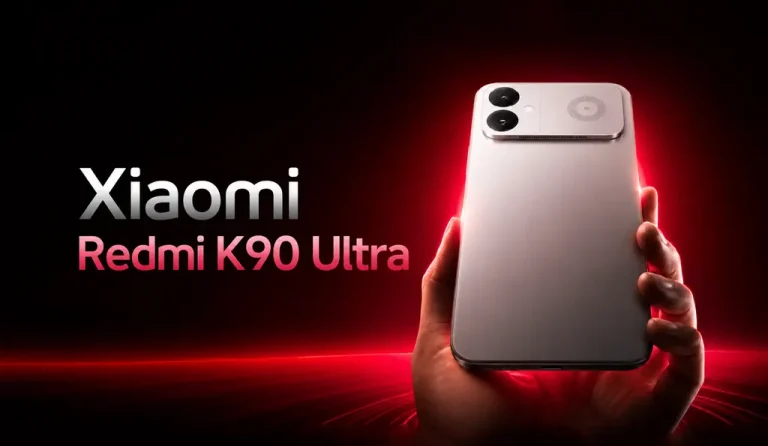
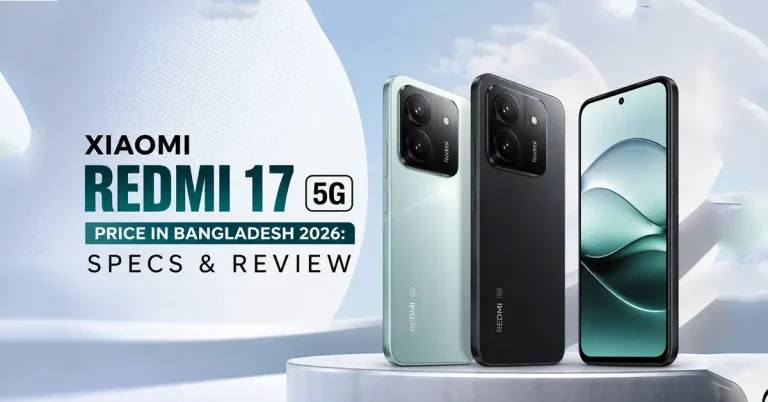
According to the information covered in this article, the Xiaomi Redmi Note 12 Pro+ 5G is a notable smartphone associated with the Samsung ISOCELL HPx 200MP sensor.
The sensor has also been used in selected regional smartphone variants targeting markets such as China, India, and South Asia.
Because smartphone camera components can vary between regional versions, users should always check the exact model and region before buying.
Frequently Asked Questions About ISOCELL HPx
What is ISOCELL HPx?
ISOCELL HPx is a 200MP Samsung mobile camera sensor designed for smartphones. It uses a 1/1.4-inch sensor format, 0.56μm pixels, and pixel-binning technology for different lighting conditions.
What is the resolution of ISOCELL HPx?
The native resolution of the ISOCELL HPx is 200MP. Through pixel binning, it can also produce 50MP and 12.5MP images depending on the shooting conditions.
Is ISOCELL HPx a Samsung camera sensor?
Yes. The ISOCELL HPx is developed by Samsung Semiconductor and belongs to Samsung’s ISOCELL family of mobile image sensors.
What are the main features of ISOCELL HPx?
Its major features include:
- 200MP resolution
- 16-in-1 Tetra²pixel binning
- Super QPD autofocus
- 14-bit color support
- Staggered HDR
- Up to 8K 30fps video
- Deep Trench Isolation
Does ISOCELL HPx support pixel binning?
Yes. The sensor supports multiple pixel-binning configurations, including 4-in-1 50MP and 16-in-1 12.5MP modes.
Is ISOCELL HPx good for low-light photography?
Yes, particularly when using its 12.5MP 16-in-1 pixel-binning mode. Combining multiple pixels helps increase effective light capture and can reduce noise.
Does ISOCELL HPx improve smartphone camera quality?
The sensor provides the hardware capability for high-resolution photography, HDR, pixel binning, and high-resolution video. However, the final camera quality also depends on the phone’s lens, OIS, processor, ISP, and camera software.
Which smartphone uses ISOCELL HPx?
The Xiaomi Redmi Note 12 Pro+ 5G is a notable device associated with the 200MP Samsung ISOCELL HPx sensor. Regional configurations can vary.
How does ISOCELL HPx compare with other ISOCELL sensors?
The HPx focuses on combining a high 200MP resolution with a compact 0.56μm pixel architecture and advanced pixel-binning capabilities. Its positioning is aimed largely at mid-range and upper-mid-range smartphones.
Is ISOCELL HPx good for video recording?
Yes. The sensor supports high-resolution video capabilities, including 8K at 30fps and 4K at up to 120fps, depending on the smartphone implementation.
Final Verdict: Is ISOCELL HPx Worth It?
The Samsung ISOCELL HPx is a powerful 200MP smartphone camera sensor that brings high-resolution photography and advanced imaging features to more accessible smartphone segments.
Its biggest strengths are 200MP detail, flexible pixel binning, improved low-light capability, HDR support, fast autofocus, and high-resolution video recording.
For everyday users, however, the most important thing is not simply the 200MP number. The best results come when the HPx sensor is paired with a quality lens, OIS, a capable processor, and well-optimized camera software.
In short: ISOCELL HPx is a strong choice for users who want detailed daylight photos, flexible digital cropping, and advanced smartphone video capabilities without necessarily buying a premium flagship device.